




Frequent changing in glass power
Glaucoma
Glaucoma is a silent eye condition that can gradually damage vision if not detected and treated early.

What is Glaucoma?
Glaucoma is a group of eye conditions that can damage the optic nerve, which carries visual information from the eye to the brain.
It is commonly associated with increased eye pressure, but glaucoma can also occur even when eye pressure is within the normal range.
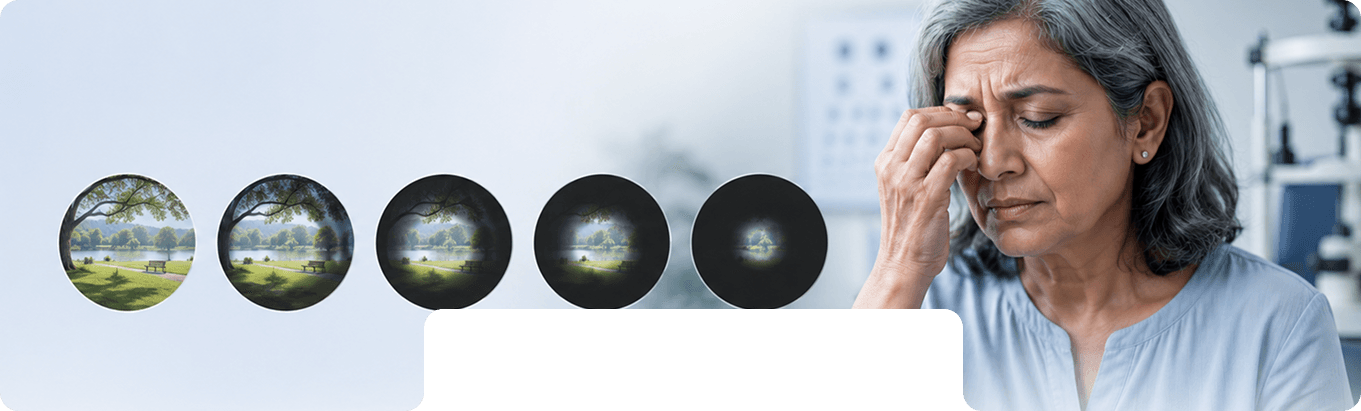
If left untreated, it can slowly affect side vision and may eventually lead to permanent vision loss.
Symptoms you may notice
Glaucoma may not show clear symptoms in the beginning. However, certain signs should not be ignored.
What can lead to Glaucoma?
Glaucoma can develop due to several risk factors. Some people may have a higher chance of developing it.


Primary Open Angle glaucoma (POAG)
The most common type of glaucoma. It usually develops slowly and may not cause noticeable symptoms in the early stage.

Normal-Tension Glaucoma
In this type, optic nerve damage happens even when eye pressure is not very high.

Acute Angle-Closure Glaucoma
A sudden, total blockage that causes internal pressure to spike rapidly in a matter of hours. It presents with severe eye pain, blurred vision, rainbow halos, and vomiting.

Primary Open Angle glaucoma (POAG)
The most common type of glaucoma. It usually develops slowly and may not cause noticeable symptoms in the early stage.
Normal-Tension Glaucoma
In this type, optic nerve damage happens even when eye pressure is not very high.
How Glaucoma is diagnosed
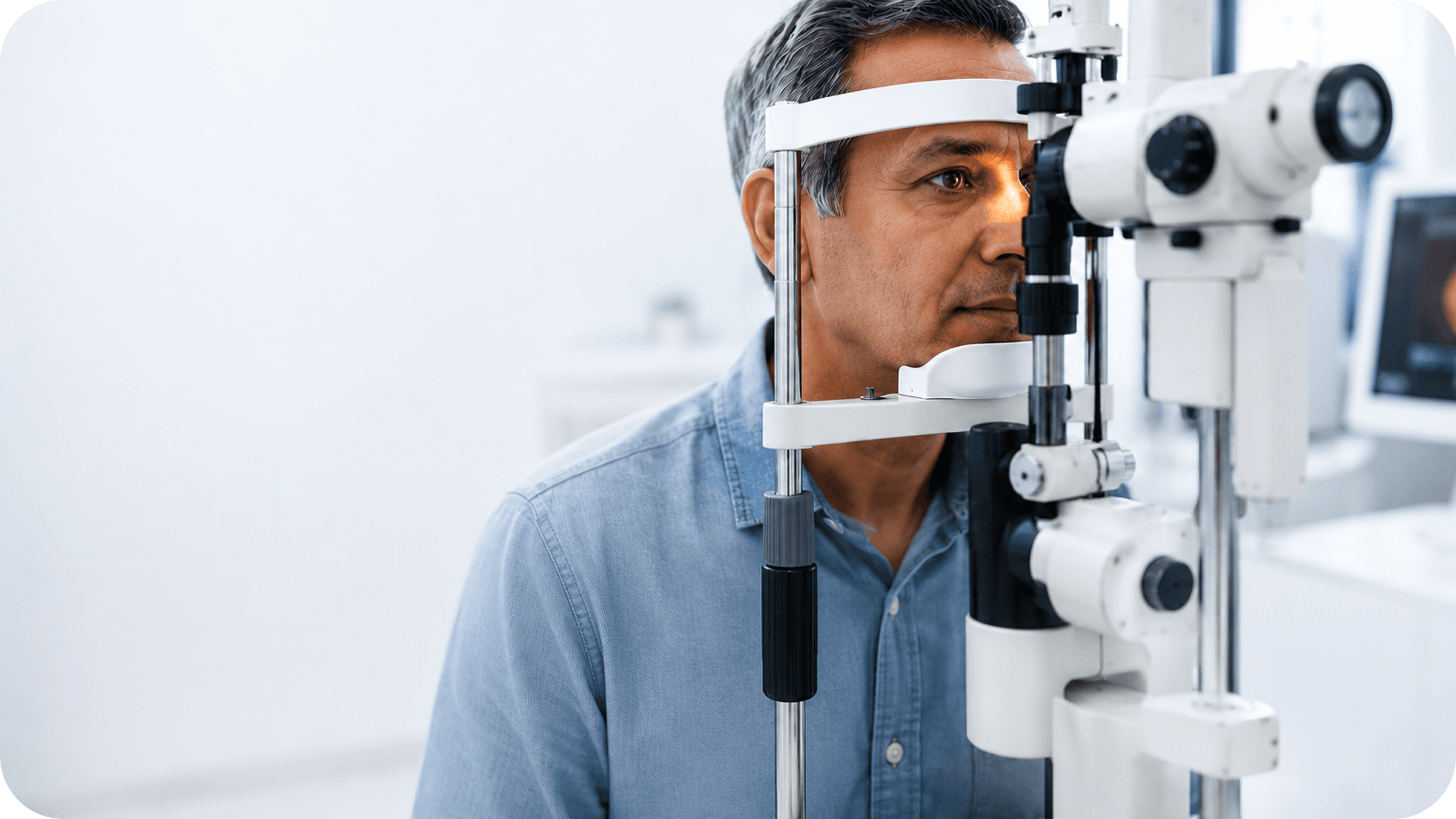
A glaucoma evaluation includes more than just checking eye pressure. The doctor examines the optic nerve, drainage angle, vision field, and structural health of the eye.


1. Eye Pressure Test (Tonometry)
This test measures the pressure inside the eye. High eye pressure is an important risk factor for glaucoma.
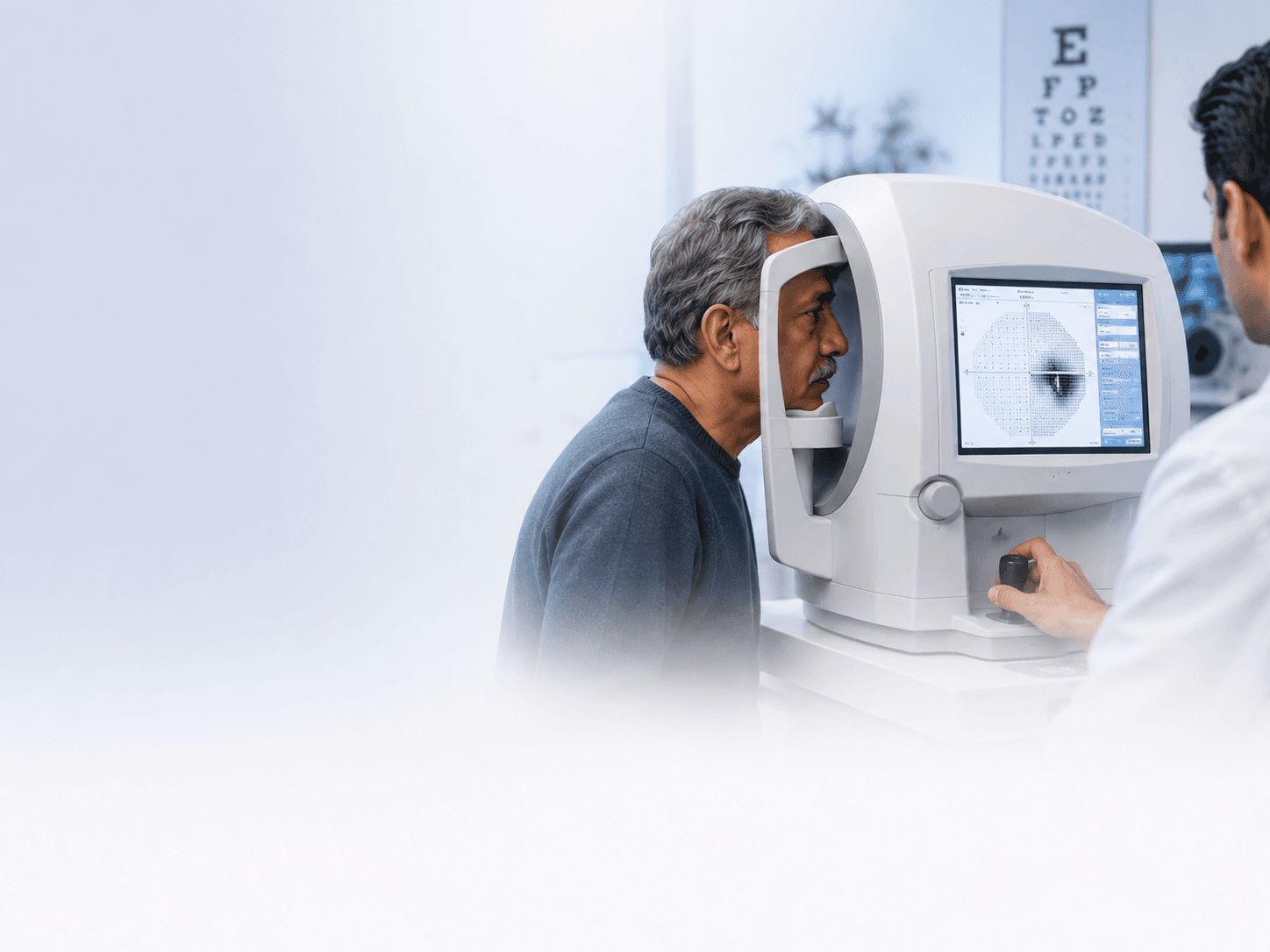
2. Visual Field Test
This test checks side vision and helps detect vision loss that may not be noticed during daily activities.

3. Optic Nerve Examination
The optic nerve is checked for signs of damage, thinning, or structural changes.

4. OCT Scan
OCT helps assess the thickness of the optic nerve fiber layer and detect early glaucoma-related changes.
1. Eye Pressure Test (Tonometry)
This test measures the pressure inside the eye. High eye pressure is an important risk factor for glaucoma.
2. Visual Field Test
This test checks side vision and helps detect vision loss that may not be noticed during daily activities.
Clinical expertise
Glaucoma care at Pixel Eye Hospital is provided by experienced ophthalmologists using advanced diagnostic technology and evidence-based treatment plans to help preserve vision and prevent further damage.

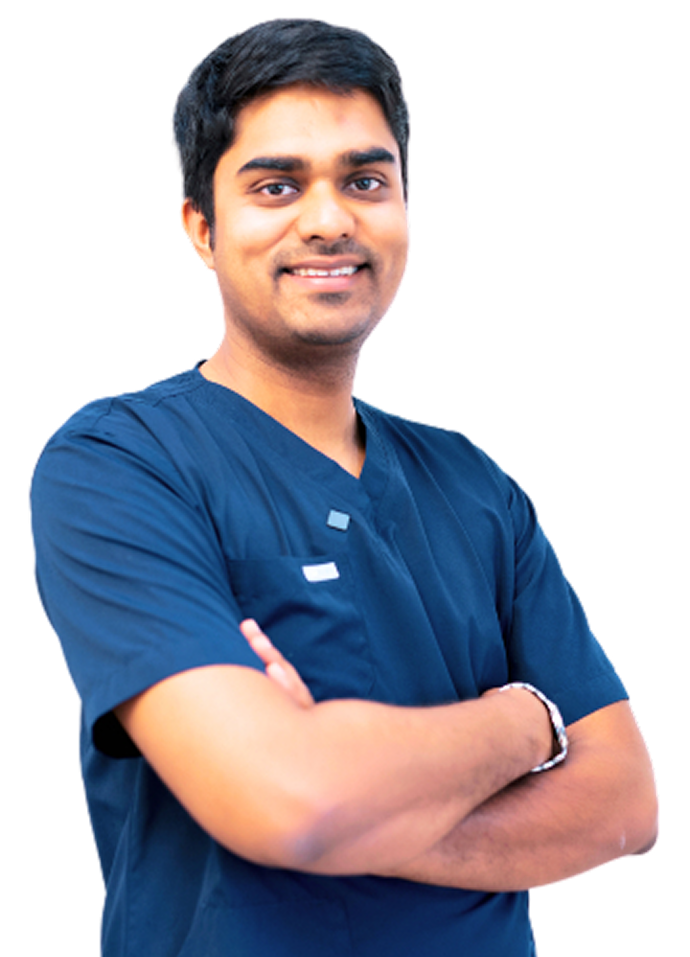

Dr. Krishna Poojita
MBBS, DNB (Ophthalmology), MRCS (Edinburgh), FICO (UK), FPRS (Narayana Nethralaya) Cataract & Refractive Surgeon
View Doctor Profiles
FAQs
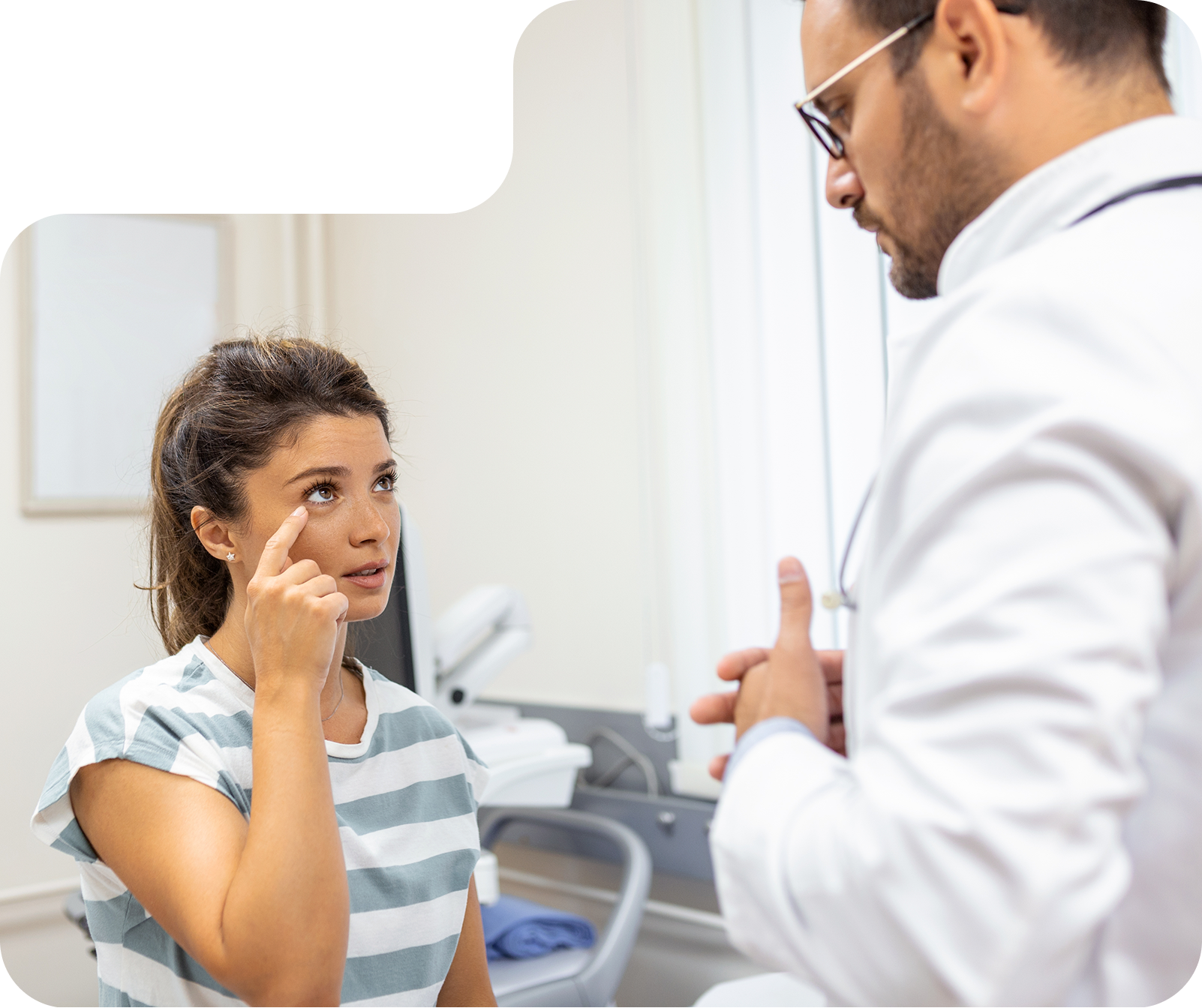
If you have concerns about glaucoma, increased eye pressure, or gradual vision loss, our glaucoma specialists are here to help. Early diagnosis, regular monitoring, and timely treatment can help protect your optic nerve and preserve your vision for the future. Schedule a comprehensive glaucoma evaluation with our team.
Glaucoma is a group of eye conditions that damage the optic nerve, often due to increased eye pressure. It usually develops gradually and may not cause noticeable symptoms in its early stages, making regular eye examinations essential for early detection.
Glaucoma is often called the "silent thief of sight" because it can slowly damage peripheral vision without causing pain or obvious symptoms. Many people are unaware they have glaucoma until significant vision loss has already occurred.
Most people with open-angle glaucoma experience no symptoms in the early stages. As the condition progresses, peripheral vision gradually decreases. Some forms of glaucoma, such as angle-closure glaucoma, may cause sudden eye pain, blurred vision, headache, halos around lights, nausea, and vomiting, requiring immediate medical attention.
People over 40 years of age, those with a family history of glaucoma, diabetes, high eye pressure, high myopia, prolonged steroid use, or previous eye injuries have a higher risk of developing glaucoma and should undergo regular eye examinations.
Yes. Some people develop normal-tension glaucoma, where optic nerve damage occurs despite eye pressure being within the normal range. A comprehensive glaucoma evaluation involves more than just measuring eye pressure.
Glaucoma is diagnosed through a comprehensive eye examination that may include eye pressure measurement (tonometry), optic nerve evaluation, visual field testing, gonioscopy, corneal thickness measurement, and OCT imaging to assess optic nerve health.
Treatment depends on the type and severity of glaucoma and may include prescription eye drops, laser procedures, minimally invasive glaucoma surgery (MIGS), or conventional glaucoma surgery. Your ophthalmologist will recommend the most appropriate treatment based on your condition.
The frequency of follow-up depends on the type and severity of glaucoma and how well it is controlled. Your ophthalmologist will recommend a personalised follow-up schedule to monitor eye pressure, optic nerve health, and visual field changes.
You should consult a glaucoma specialist if you have elevated eye pressure, a family history of glaucoma, gradual peripheral vision loss, or have been advised that you are at risk. Immediate medical attention is required if you experience sudden severe eye pain, blurred vision, halos around lights, or nausea associated with eye symptoms.
Patient Experiences
From patients who have already taken their first step toward clearer vision.

My father underwent cataract surgery here. The hospital is very clean, and the staff are highly professional. I had visited three other hospitals before, where everything felt disorganized. Pixel Eye is much more organised. Also, Dr. Rasheed and Dr. Poojitha are among the best doctors in ophthalmology, and I would wholeheartedly recommend them.

Very good experience at Pixel Eye Hospital. The service was excellent, and everyone was cooperative. The consultation went smoothly with proper guidance. Thanks to the doctor for the clear explanation regarding the treatment plan.
I underwent cataract surgery for both my eyes, and based on my lifestyle the doctor suggested an EDOF lens. Everything went very well, and my vision is now clear and comfortable for both distance and near. Thanks to Pixel Eye Hospital and Dr. Rasheed.
I had an excellent experience with Dr. Rasheed. He is our family doctor. He performed two cataract surgeries for my family, and we are very happy with all the successful surgeries. Thank you to Pixel Eye Hospital, Dr. Rasheed, and the whole staff for the care.
I had a very good experience at Pixel Eye Hospital. I visited with a complaint of dry eyes, and Dr. Krishna Poojitha was extremely patient, professional, and kind throughout the consultation. She listened carefully to my concerns, explained the condition clearly, and suggested an effective treatment plan.
It is a really good hospital if you are planning for eye surgery. The staff are very supportive and make patients comfortable in Marathi, Hindi, or English. Dr. Krishna is super supportive with patients.