




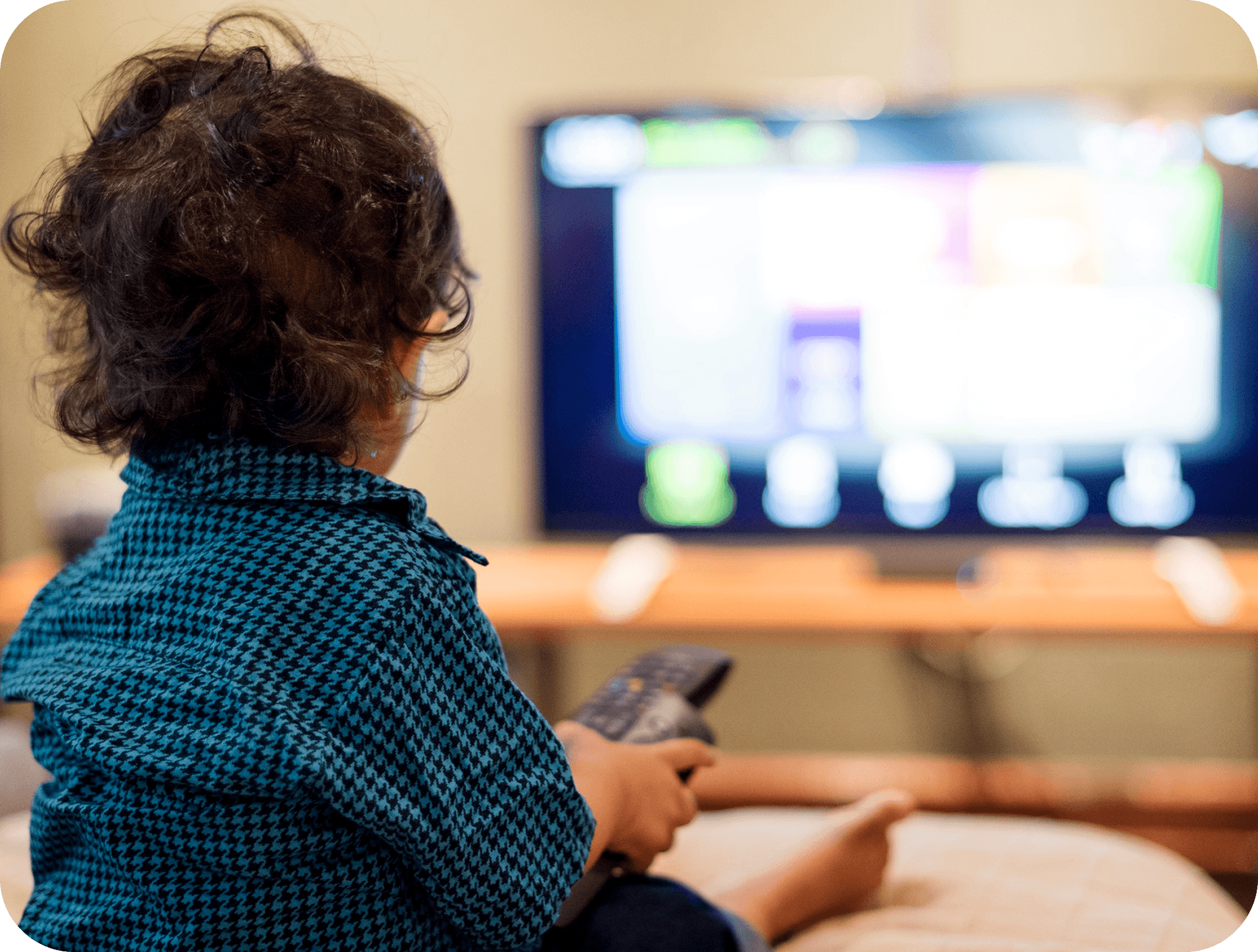
Frequent Rubbing
Pediatric Eye Care
Healthy eyes are important for every child's learning, growth, confidence, and daily activities.

What is Pediatric Eye Care?
Pediatric eye care is a specialized branch of eye care that focuses on the diagnosis and treatment of vision and eye-related problems in infants, children, and teenagers.
Unlike adults, children may not always complain about blurred vision, eye strain, or difficulty seeing.
They may adjust to poor vision without realizing something is wrong.
That is why regular eye screening and timely consultation are important.
Symptoms you may notice
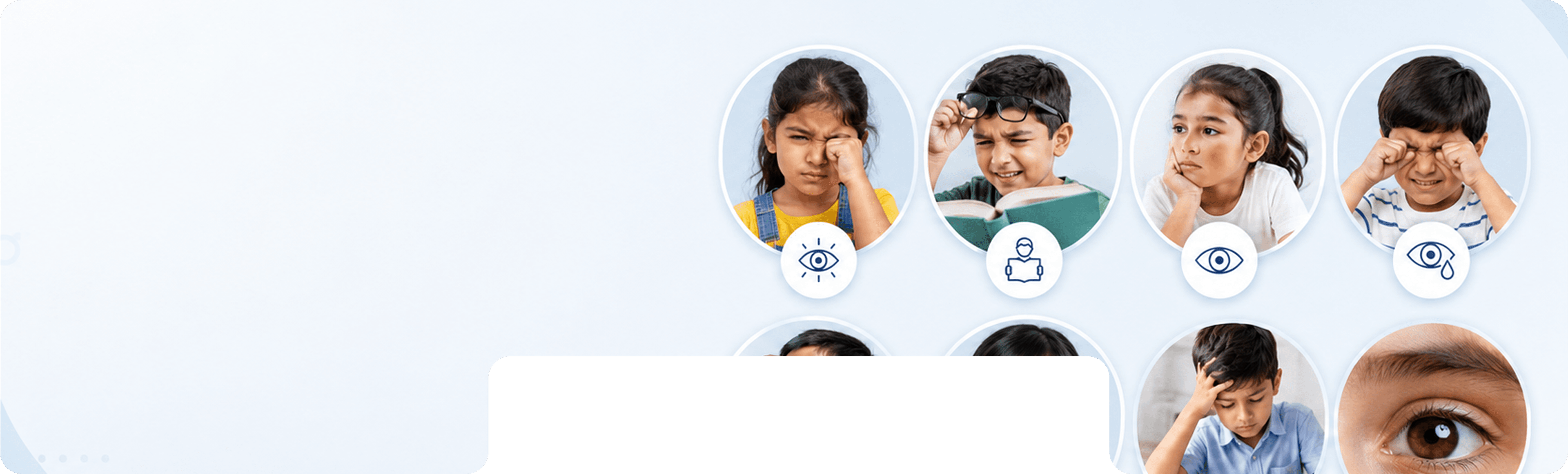
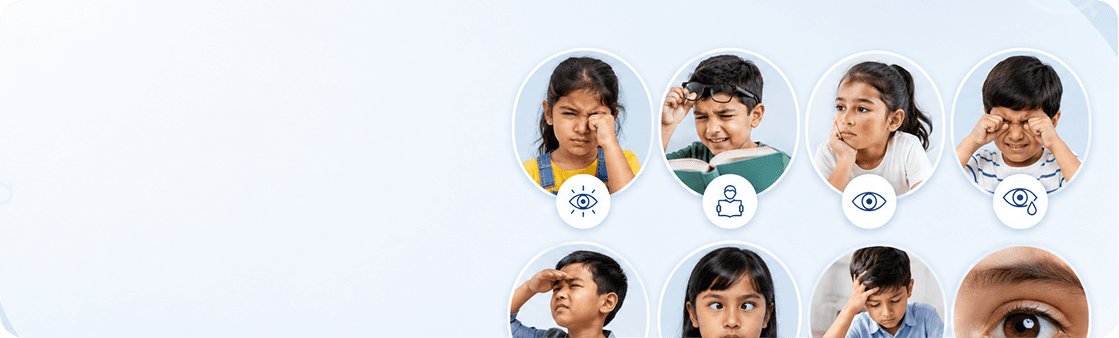
Early signs of vision problems are often subtle. Watch for these common symptoms in your child.
why do children develop eye problem?
Children can develop eye problems due to multiple reasons. Some may be present from birth, while others may develop gradually as the child grows.

Refractive Errors
This test helps detect whether the child has eye power such as myopia, hyperopia, or astigmatism.
Lazy eye (Amblyopia)
Lazy eye, also called amblyopia, happens when one eye has weaker vision than the other.
Eye Allergies
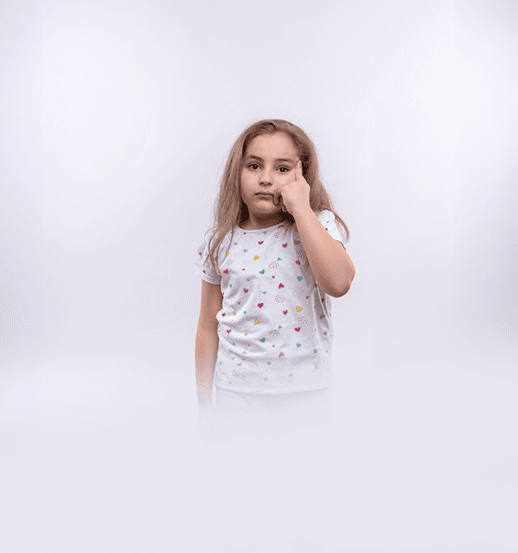
Children with eye allergies may have redness, itching, watering, swelling, or frequent eye rubbing.

Refractive Errors
This test helps detect whether the child has eye power such as myopia, hyperopia, or astigmatism.
Lazy eye (Amblyopia)
Lazy eye, also called amblyopia, happens when one eye has weaker vision than the other.
How Pediatric Eye Problems Are Diagnosed
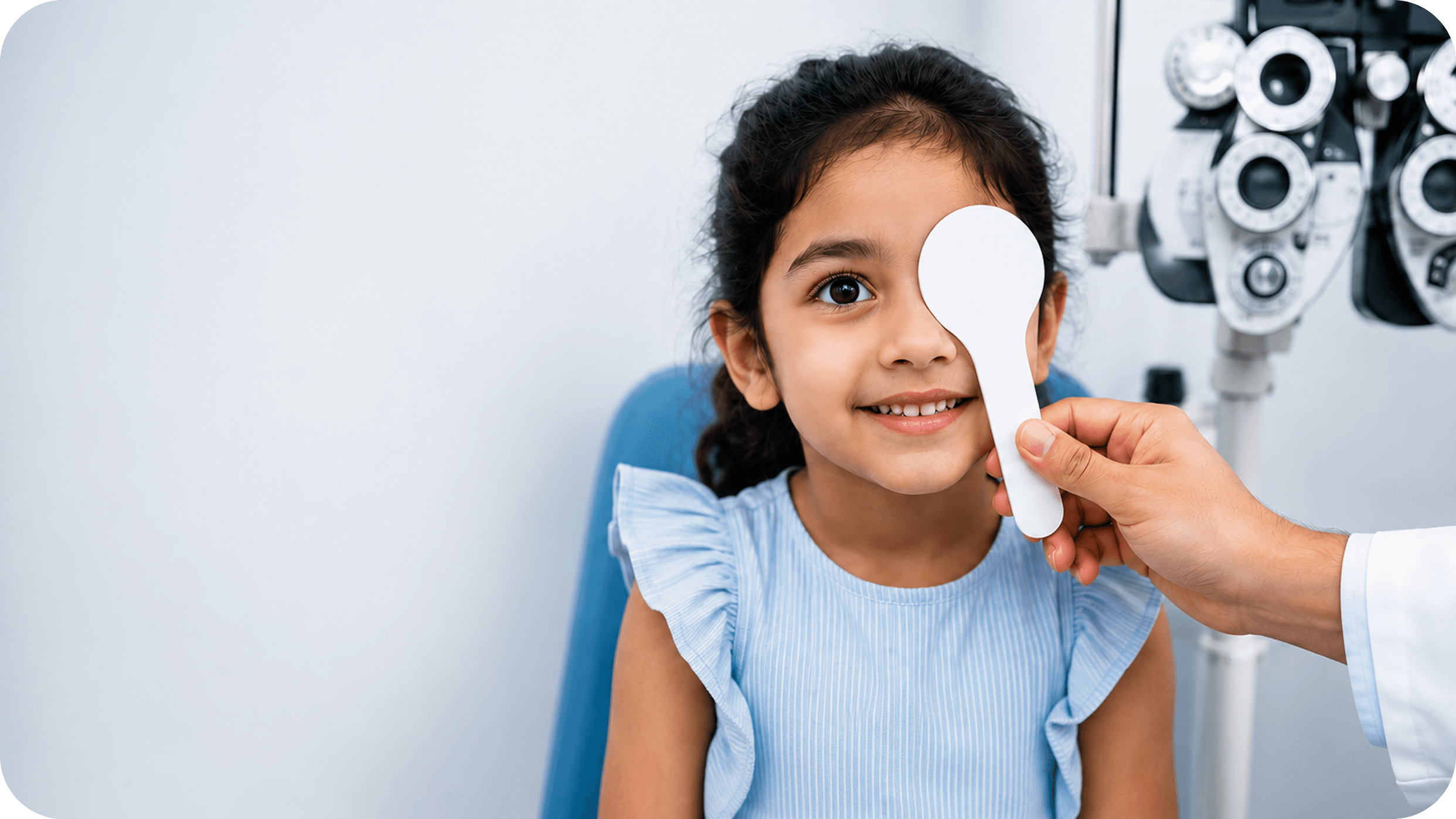
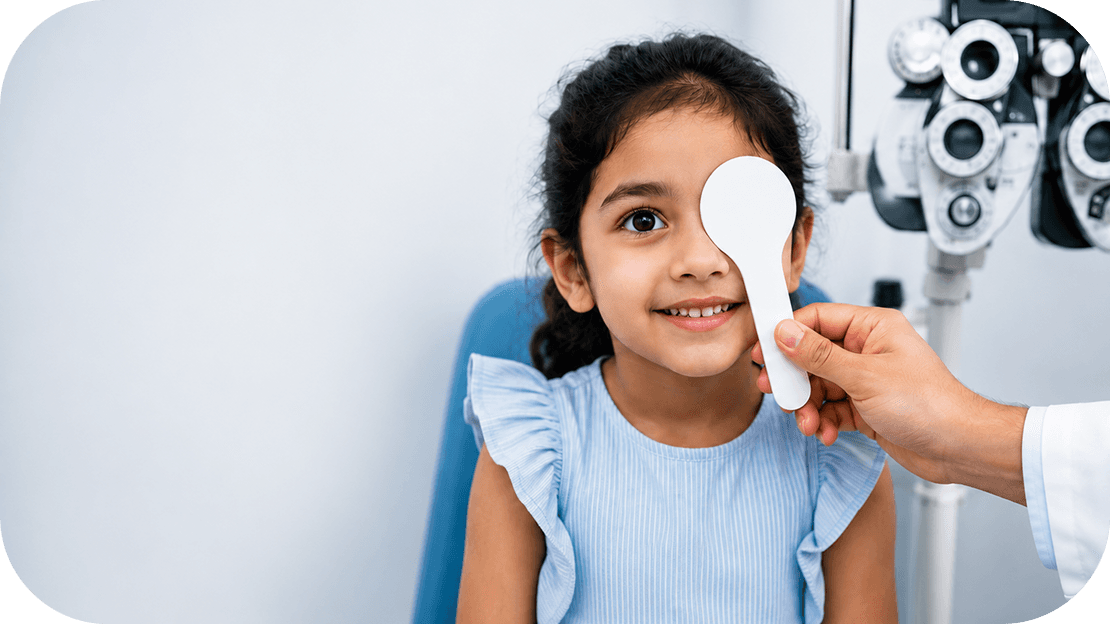
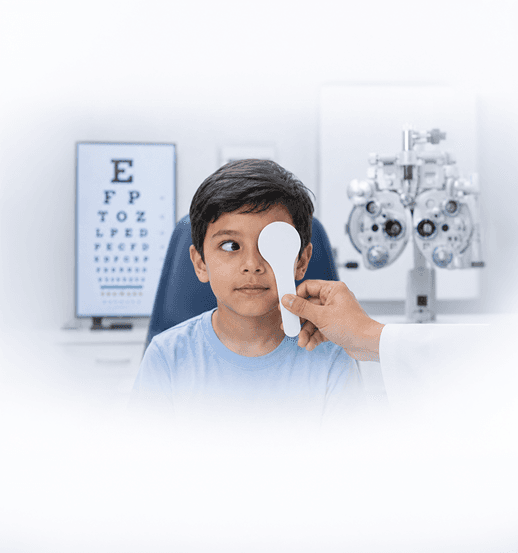
A pediatric eye examination is done in a child-friendly way. The doctor checks the child's vision, eye power, eye alignment, eye movements, and overall eye health.


1. Refraction Test
This test helps detect whether the child has eye power such as myopia, hyperopia, or astigmatism.

2. Eye Alignment Test
The doctor checks whether both eyes are working together and whether there is any squint or eye movement issue.
3. Visual Acuity Test
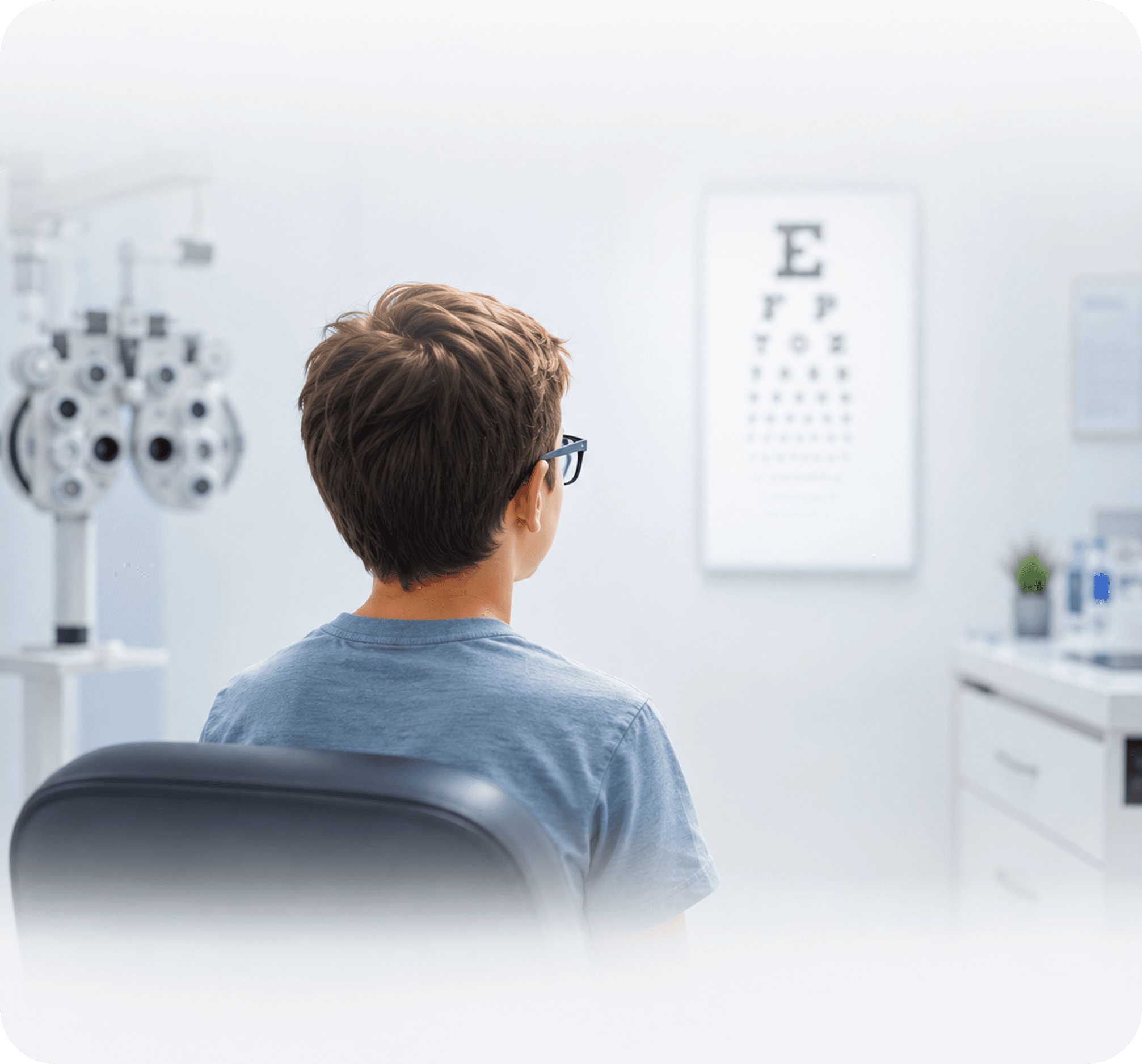
You read letters on a standard eye chart to measure how clearly each eye can see independently.
4. Slit Lamp Examination
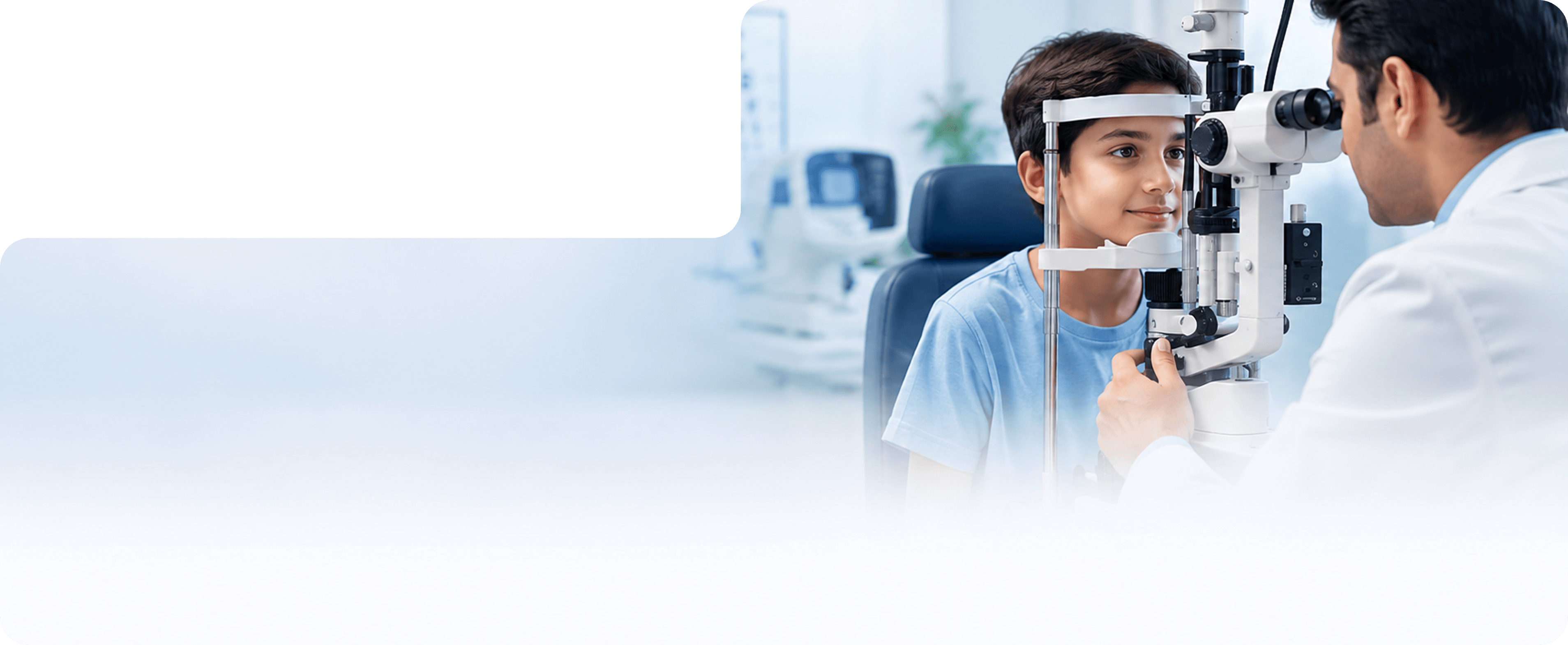
This helps examine the front part of the eye, including the cornea, lens, and eye surface.
1. Refraction Test
This test helps detect whether the child has eye power such as myopia, hyperopia, or astigmatism.
2. Eye Alignment Test
The doctor checks whether both eyes are working together and whether there is any squint or eye movement issue.
Clinical expertise
Our pediatric ophthalmologists are experienced in diagnosing and treating eye conditions in infants, children, and teenagers using child-friendly examination techniques and advanced diagnostic technology.

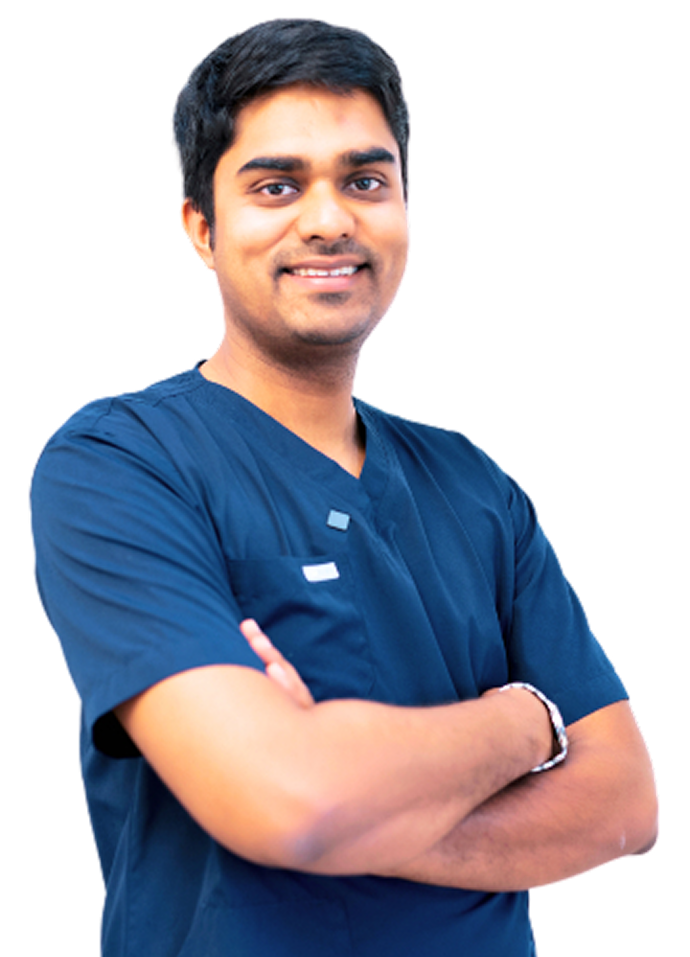
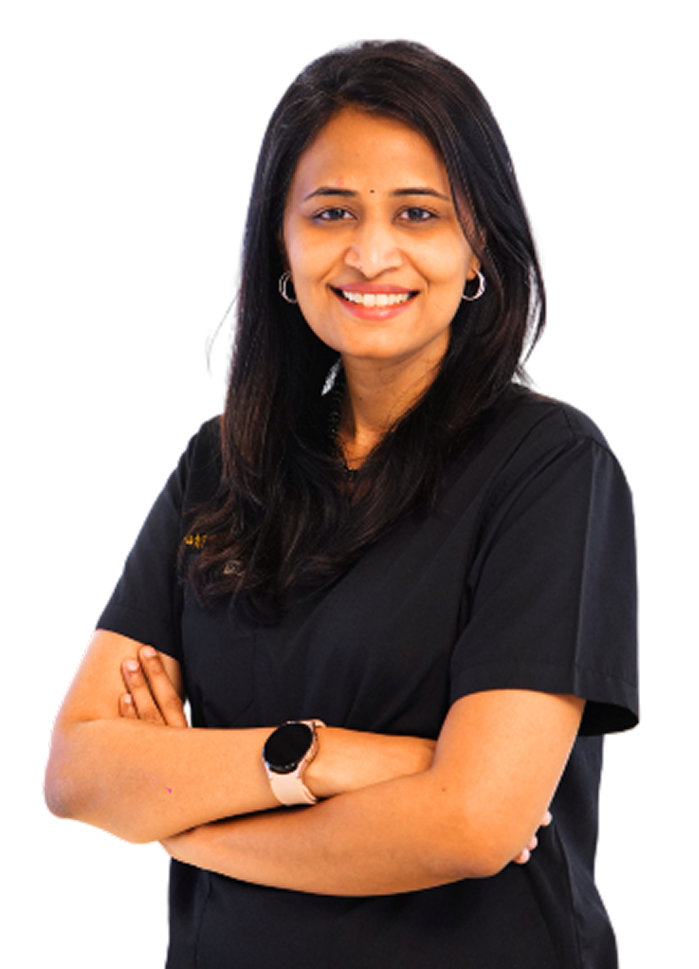
Dr. Krishna Poojita
MBBS, DNB (Ophthalmology), MRCS (Edinburgh), FICO (UK), FPRS (Narayana Nethralaya) Cataract & Refractive Surgeon
View Doctor Profiles
FAQs
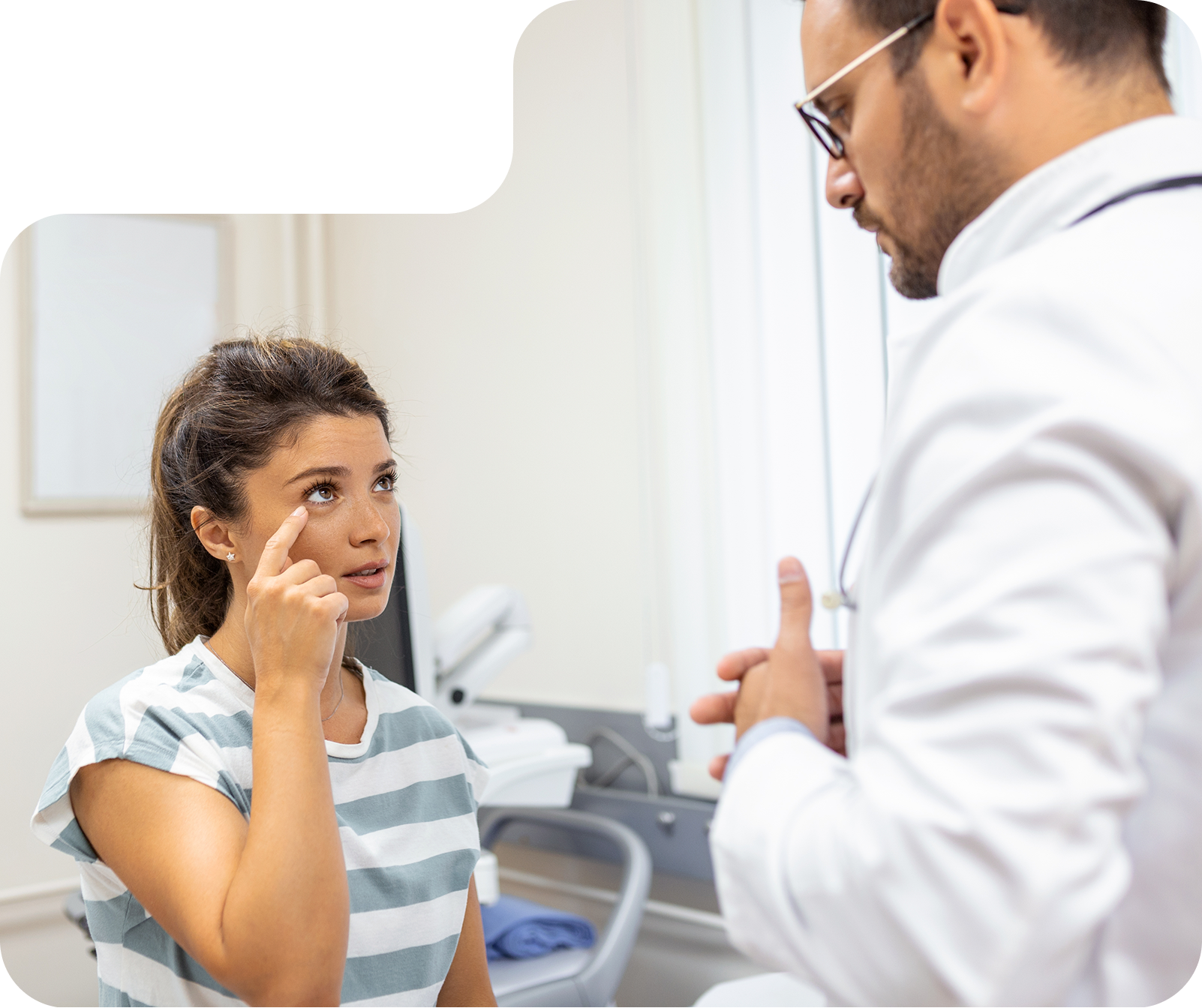
Every child has unique visual needs. If you have questions about your child's eye health, vision development, or treatment options, our pediatric eye specialists are here to help. Book an appointment for a comprehensive eye examination and personalised guidance.
Children should have their eyes examined if parents notice any vision concerns or as advised by their pediatrician. Babies born prematurely, children with a family history of eye disease, or those with developmental concerns may require earlier eye examinations.
Common signs include squinting, sitting very close to screens, frequent eye rubbing, excessive tearing, poor eye contact, head tilting, headaches, difficulty reading, or one eye turning inward or outward. If you notice any of these symptoms, an eye examination is recommended.
Frequent eye rubbing may be caused by allergies, dry eyes, eye strain, or uncorrected refractive errors. Persistent rubbing should not be ignored, as it may also contribute to conditions such as keratoconus in susceptible children.
Screen time does not permanently damage the eyes, but prolonged use may cause digital eye strain, dryness, headaches, and temporary blurred vision. Encouraging regular breaks, outdoor activities, and appropriate viewing distances can help reduce these symptoms.
Lazy eye occurs when one eye does not develop normal vision during childhood. It can often be treated successfully with glasses, patching, vision therapy, or other treatments if diagnosed early.
Occasional eye misalignment may be seen in very young infants, but persistent squint after early infancy should always be evaluated. Early treatment can improve eye alignment and help prevent lazy eye.
Increasing spectacle power is commonly associated with progressive myopia (short-sightedness). Regular eye examinations allow your ophthalmologist to monitor progression and discuss suitable myopia management options when appropriate.
Yes. Some children are born with conditions such as congenital cataract, glaucoma, blocked tear ducts, drooping eyelids, or retinal disorders. Early diagnosis is important to support healthy visual development.
A pediatric eye examination may include vision assessment, eye alignment evaluation, refraction (spectacle power testing), eye movement assessment, and examination of the front and back of the eye. Additional tests may be performed depending on the child's age and symptoms.
Consult a pediatric ophthalmologist if your child has crossed eyes, poor vision, excessive tearing, white pupil, eye injury, frequent headaches, unusual eye movements, or any concerns about visual development. Early evaluation can help identify problems before they affect learning or long-term vision.
Patient Experiences
From patients who have already taken their first step toward clearer vision.

My father underwent cataract surgery here. The hospital is very clean, and the staff are highly professional. I had visited three other hospitals before, where everything felt disorganized. Pixel Eye is much more organised. Also, Dr. Rasheed and Dr. Poojitha are among the best doctors in ophthalmology, and I would wholeheartedly recommend them.

Very good experience at Pixel Eye Hospital. The service was excellent, and everyone was cooperative. The consultation went smoothly with proper guidance. Thanks to the doctor for the clear explanation regarding the treatment plan.
I underwent cataract surgery for both my eyes, and based on my lifestyle the doctor suggested an EDOF lens. Everything went very well, and my vision is now clear and comfortable for both distance and near. Thanks to Pixel Eye Hospital and Dr. Rasheed.
I had an excellent experience with Dr. Rasheed. He is our family doctor. He performed two cataract surgeries for my family, and we are very happy with all the successful surgeries. Thank you to Pixel Eye Hospital, Dr. Rasheed, and the whole staff for the care.
I had a very good experience at Pixel Eye Hospital. I visited with a complaint of dry eyes, and Dr. Krishna Poojitha was extremely patient, professional, and kind throughout the consultation. She listened carefully to my concerns, explained the condition clearly, and suggested an effective treatment plan.
It is a really good hospital if you are planning for eye surgery. The staff are very supportive and make patients comfortable in Marathi, Hindi, or English. Dr. Krishna is super supportive with patients.