




Sudden blurred Vision
Retina Care
The retina plays a vital role in clear vision. Early diagnosis and timely treatment can help protect your sight.

What is Retina Care?
Retina care focuses on diagnosing and treating diseases that affect the retina, macula, and blood vessels at the back of the eye.
The retina receives light and sends visual signals to the brain.
When the retina is affected by diabetes, aging, injury, inflammation, or other eye conditions, vision may become blurred, distorted, or reduced.
Symptoms you may notice
Retina problems may not always cause pain, but they can affect vision in different ways. Do not ignore sudden or repeated vision changes.
What can lead to Retina Problems?
Retinal diseases can develop due to medical conditions, aging, eye power, injury, or changes in the eye’s blood vessels.



Age-Related Macular Degeneration (AMD)
This condition breaks down the macula, which is the center of the retina responsible for sharp, straight-ahead vision.
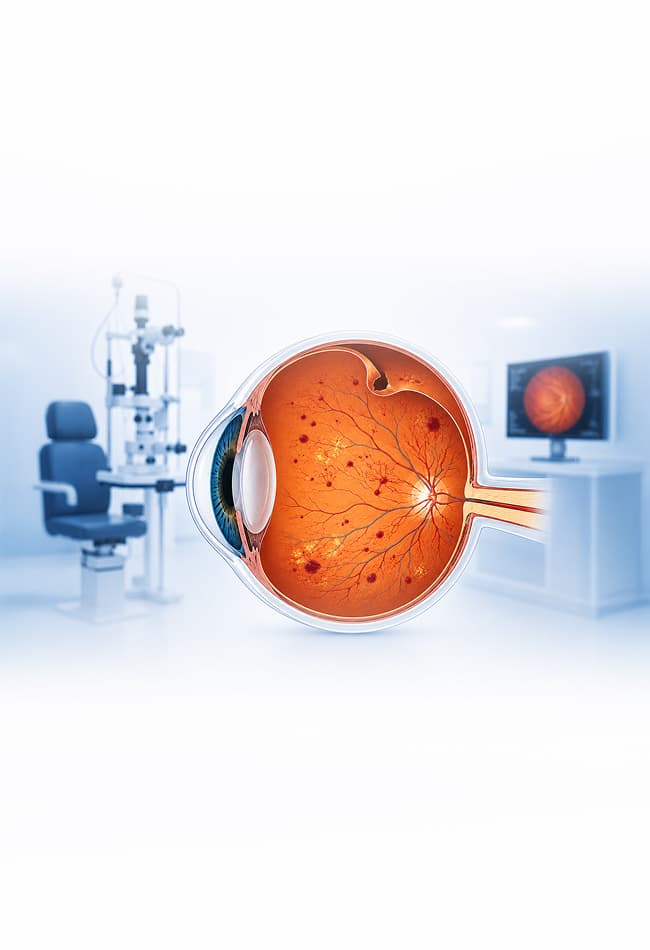
Diabetic Retinopathy
A complication of diabetes where chronically high blood sugar damages the delicate blood vessels inside the retina. They can swell, leak fluid, or bleed into the eye.
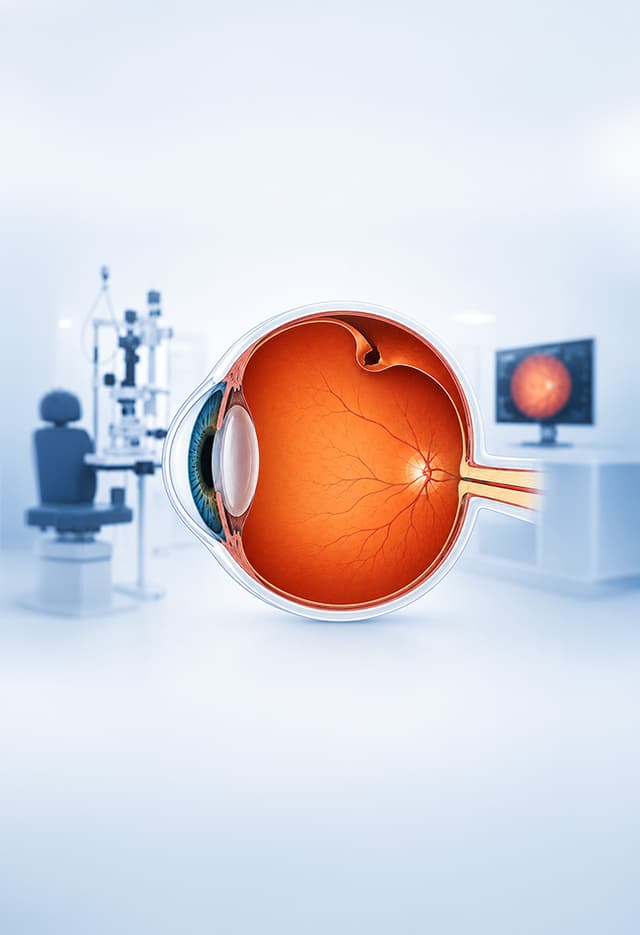
Retinal Tear
Occurs when the gel-like fluid inside the eye pulls away too harshly from the back wall, ripping a small hole in the retinal tissue. It causes sudden flashes of light and floaters.

Age-Related Macular Degeneration (AMD)
This condition breaks down the macula, which is the center of the retina responsible for sharp, straight-ahead vision.
Diabetic Retinopathy
A complication of diabetes where chronically high blood sugar damages the delicate blood vessels inside the retina. They can swell, leak fluid, or bleed into the eye.
How Retina Problems Are Diagnosed
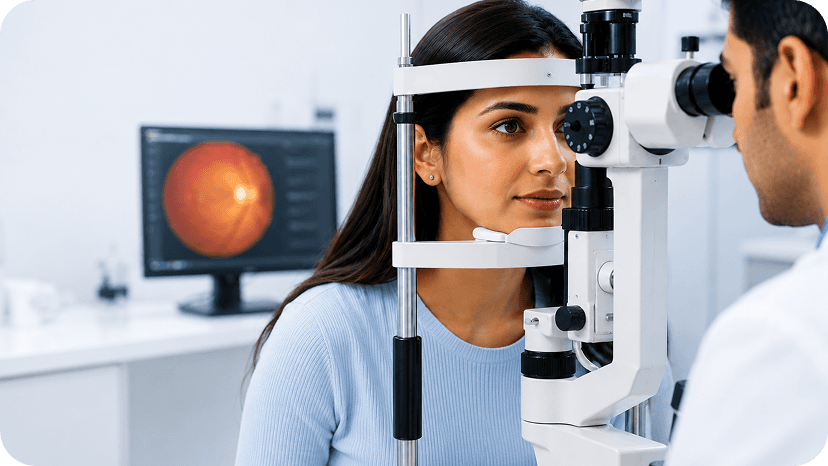
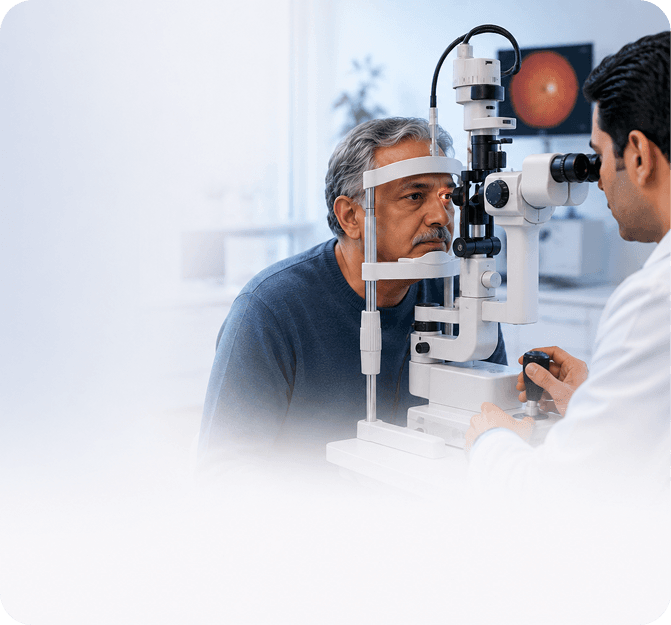
A retina evaluation includes a detailed examination of the back of the eye, supported by advanced imaging tests when needed.


1. Dilated Retina Examination
This test measures the pressure inside the eye. High eye pressure is an important risk factor for glaucoma.
2. Visual Acuity Test
This test checks side vision and helps detect vision loss that may not be noticed during daily activities.

3. Fundus Photography
The optic nerve is checked for signs of damage, thinning, or structural changes.

4. OCT Scan
OCT helps assess the thickness of the optic nerve fiber layer and detect early glaucoma-related changes.
1. Dilated Retina Examination
This test measures the pressure inside the eye. High eye pressure is an important risk factor for glaucoma.
2. Visual Acuity Test
This test checks side vision and helps detect vision loss that may not be noticed during daily activities.
Clinical expertise
Retina care at Pixel Eye Hospital is provided by experienced retina specialists using advanced retinal imaging, laser treatments, and microsurgical expertise to preserve vision.



Dr. Krishna Poojita
MBBS, DNB (Ophthalmology), MRCS (Edinburgh), FICO (UK), FPRS (Narayana Nethralaya), Cataract & Refractive Surgeon
View Doctor Profiles
FAQs

Retina care at Pixel Eye Hospital is provided by experienced retina specialists using advanced retinal imaging, laser treatments, and microsurgical expertise to preserve vision.
Early retina problems may cause blurred vision, floaters, flashes of light, distorted vision, dark spots, or a curtain-like shadow over your vision. Some retinal diseases develop without noticeable symptoms, making regular eye examinations important for early detection.
You should consult a retina specialist immediately if you notice sudden vision loss, flashes of light, a sudden increase in floaters, distorted vision, or a shadow covering part of your vision. Early diagnosis can prevent permanent vision loss in many retinal conditions.
Yes. Diabetes can damage the tiny blood vessels in the retina, leading to diabetic retinopathy. If left untreated, it may cause bleeding, swelling of the retina, and permanent vision loss. Regular diabetic retina screening is strongly recommended.
Retinal detachment can occur due to retinal tears, ageing-related changes, high myopia, eye injuries, previous eye surgery, or certain retinal diseases. It is a medical emergency and requires prompt treatment to preserve vision.
Floaters appear as tiny dark spots or cobweb-like shadows, while flashes look like brief streaks of light. Although they can occur naturally with ageing, a sudden increase may indicate a retinal tear or retinal detachment and should be evaluated immediately.
Retina diseases are diagnosed through a comprehensive retinal examination that may include dilated fundus examination, OCT (Optical Coherence Tomography), retinal photography, fluorescein angiography, and retinal scans to evaluate the health of the retina and optic nerve.
Yes. Many retinal diseases can be effectively managed with early diagnosis. Treatment options may include retinal laser treatment, intravitreal injections, vitrectomy surgery, or medical management depending on the specific retinal condition.
People with diabetes, high blood pressure, high myopia, increasing age, previous eye injuries, family history of retinal disease, or previous eye surgery have a higher risk of developing retinal problems and should undergo regular retina examinations.
Some retinal conditions can be stabilised or improved if treated early, while others may cause permanent vision loss if diagnosis is delayed. Regular eye check-ups and timely treatment offer the best chance of preserving vision.
Individuals with diabetes, high myopia, hypertension, or a family history of retinal disease should have regular retina examinations as advised by their ophthalmologist. Healthy adults should also undergo routine comprehensive eye examinations to detect retinal diseases before symptoms develop.
Patient Experiences
From patients who have already taken their first step toward clearer vision.

My father underwent cataract surgery here. The hospital is very clean, and the staff are highly professional. I had visited three other hospitals before, where everything felt disorganized. Pixel Eye is much more organised. Also, Dr. Rasheed and Dr. Poojitha are among the best doctors in ophthalmology, and I would wholeheartedly recommend them.

Very good experience at Pixel Eye Hospital. The service was excellent, and everyone was cooperative. The consultation went smoothly with proper guidance. Thanks to the doctor for the clear explanation regarding the treatment plan.
I underwent cataract surgery for both my eyes, and based on my lifestyle the doctor suggested an EDOF lens. Everything went very well, and my vision is now clear and comfortable for both distance and near. Thanks to Pixel Eye Hospital and Dr. Rasheed.
I had an excellent experience with Dr. Rasheed. He is our family doctor. He performed two cataract surgeries for my family, and we are very happy with all the successful surgeries. Thank you to Pixel Eye Hospital, Dr. Rasheed, and the whole staff for the care.
I had a very good experience at Pixel Eye Hospital. I visited with a complaint of dry eyes, and Dr. Krishna Poojitha was extremely patient, professional, and kind throughout the consultation. She listened carefully to my concerns, explained the condition clearly, and suggested an effective treatment plan.
It is a really good hospital if you are planning for eye surgery. The staff are very supportive and make patients comfortable in Marathi, Hindi, or English. Dr. Krishna is super supportive with patients.